Diagnosing Engine Misfires: A Practical Guide
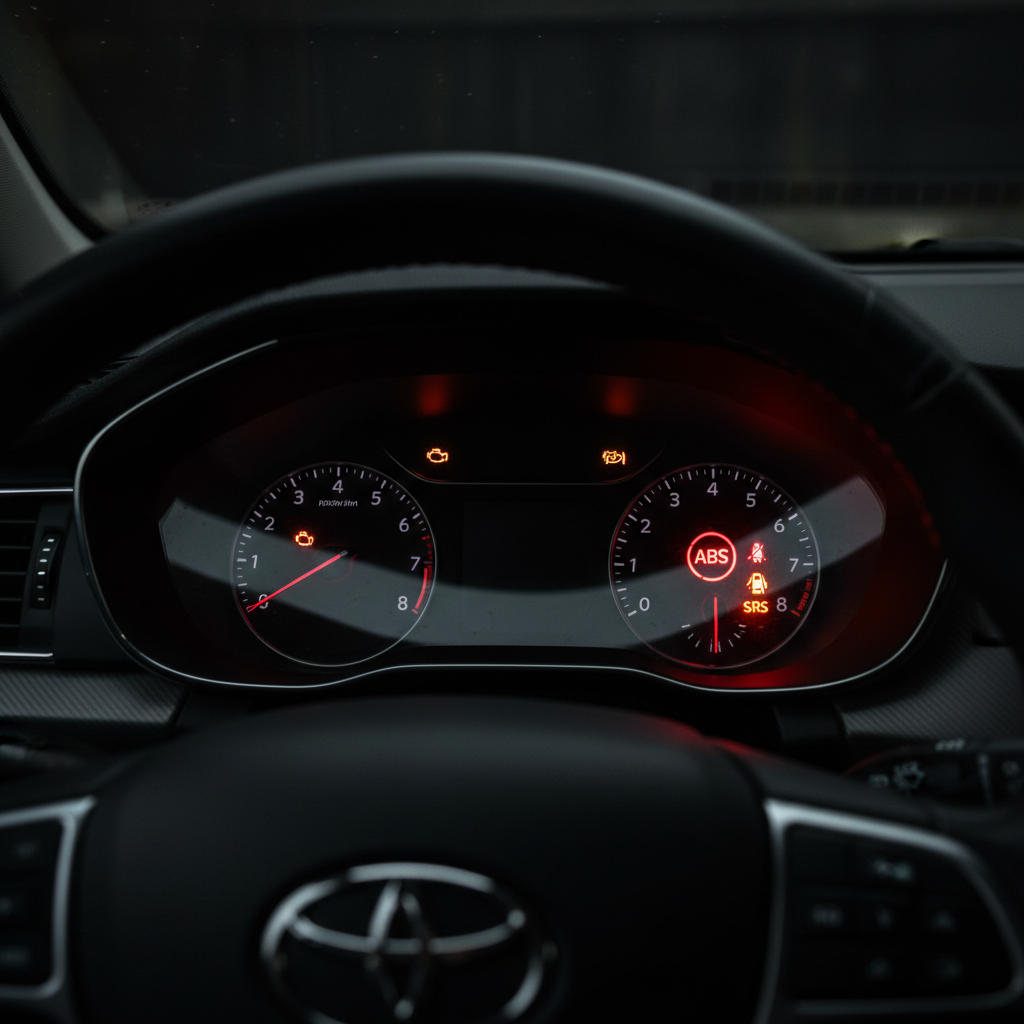
A misfire means one or more cylinders aren't burning fuel properly. You feel it as jerking, hesitation or shaking, and the ECU usually stores P030x codes (P0301 = cylinder 1, and so on).
The three categories of misfire
- Ignition misfires — worn plugs, failed coils, damaged plug leads. The most common cause by far.
- Fuel misfires — blocked or failing injectors, weak fuel pressure. On diesels, injector wear and missing injector coding.
- Compression misfires — worn rings, burnt valves, head gasket faults. The most serious and least common.
The diagnostic sequence
- Read the codes and freeze-frame data — which cylinder, and under what conditions does it occur?
- Watch live misfire counters while the engine runs — confirm which cylinder and how badly.
- Swap test — move the suspect coil to another cylinder; if the misfire moves, the coil is the cause.
- Check injector balance — on diesels, compare each cylinder's fuel correction values.
- Compression or relative compression test — only if ignition and fuel check out healthy.
Why you shouldn't ignore it
A misfiring cylinder pushes unburnt fuel into the exhaust, where it can ignite inside the catalytic converter. That's why a flashing check engine light means stop driving. A converter destroyed by misfires is a repair ten times the cost of a coil.
Also note: a misfire on one specific cylinder usually means ignition, fuel or compression on that cylinder. A random, moving misfire across cylinders points to fuel quality, a lean condition or sensor faults instead.
Experiencing jerking, hesitation or a flashing light? Don't drive it. Book a misfire diagnosis in Witbank — we diagnose, we don't guess.
At AutoLogic Diagnostics, this kind of fault finding is supported by MechanIQ Diagnostic Intelligence — our evidence-driven diagnostic platform.